Comprehensive Guide to Linear Actuators: Types, Advantages & Applications
Estimated Read Time: 8–10 minutes
Introduction to Linear Actuators
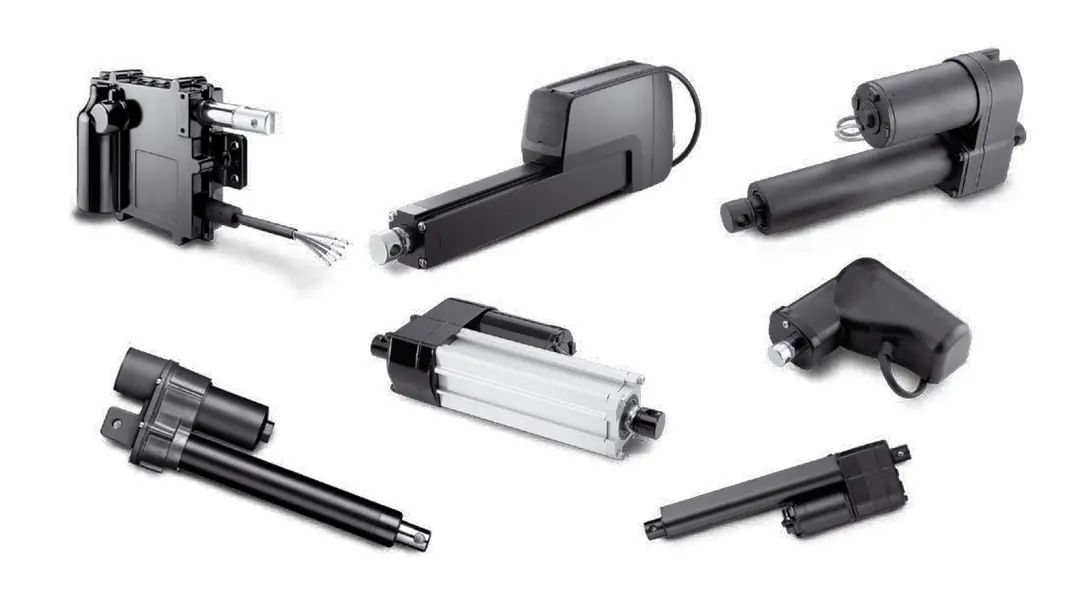
Linear actuators are essential components in mechanical and automation systems. They are widely used across industries such as manufacturing, robotics, aerospace, healthcare, and industrial automation to convert rotary motion into precise linear movement.
This article explains the different types of linear actuators, their working principles, advantages, applications, and how to select the right actuator for specific requirements.
Definition of Linear Actuators
Linear actuators are devices that convert rotational motion into linear motion and are commonly used in industrial automation and control systems. They enable accurate load movement along a straight path with high precision and repeatability.
Types of Linear Actuators
Linear actuators are broadly classified into three main types based on their power source: electric, pneumatic, and hydraulic actuators. Each type offers unique benefits depending on application needs.
Electric Linear Actuators
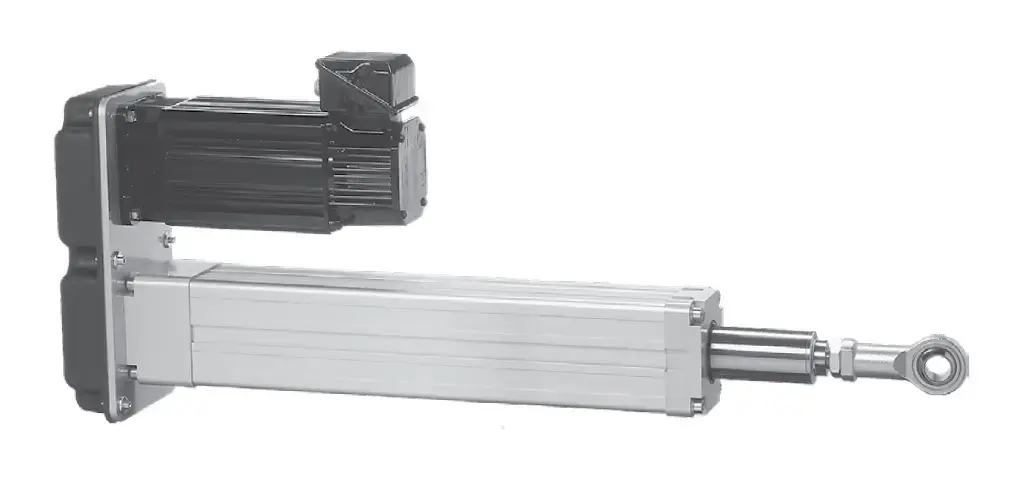
Electric linear actuators convert electrical energy into linear motion using a motor-driven screw mechanism. They are known for their precise positioning, quiet operation, and energy efficiency.
Common applications include robotics, medical equipment, automation systems, adjustable furniture, aerospace controls, and smart home solutions.
Pneumatic Linear Actuators
Pneumatic linear actuators use compressed air to generate linear motion. They are fast, cost-effective, and suitable for high-speed industrial operations and hazardous environments.
These actuators are commonly used in manufacturing lines, packaging machines, food processing equipment, medical devices, and material handling systems.
Hydraulic Linear Actuators
Hydraulic linear actuators generate linear motion using pressurized hydraulic fluid. They are capable of producing extremely high force and are ideal for heavy-duty applications.
These actuators are widely used in construction machinery, mining equipment, marine systems, aerospace applications, and agricultural machinery.
Conclusion
Linear actuators play a critical role in modern automation and mechanical systems. Electric actuators provide precision and efficiency, pneumatic actuators offer speed and simplicity, and hydraulic actuators deliver unmatched force for heavy-duty tasks.
Selecting the right linear actuator based on load, speed, precision, environment, and budget ensures optimal system performance and long-term reliability.
Need help choosing the right linear actuator? Contact us today for expert guidance and solutions.