Industrial Applications Across Multiple Industries
Automation and Control
Control and automation engineering involves the development and implementation of technologies that provide electrical, electronic, and information solutions. This branch of engineering focuses on creating systems that operate in a planned and efficient manner. It encompasses a wide range of applications, from industrial automation solutions like control systems and electrical installations, to academic programs offering specialized degrees and research opportunities. Automation control aims to enhance efficiency, safety, and reliability across various sectors, utilizing advanced technologies and systems integration to achieve these goals

CNC
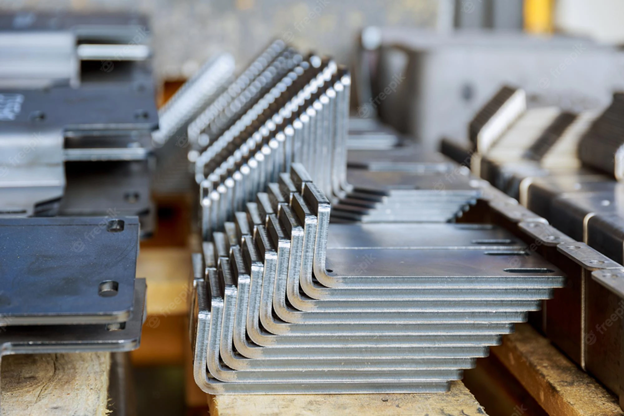
Computer Numerical Control (CNC) technology is widely used in modern manufacturing for producing high-precision and complex components with consistent quality. CNC machines enable automated control of machining tools such as milling, turning, drilling, and grinding, ensuring high accuracy, repeatability, and efficiency. CNC applications are commonly found in industries such as automotive, aerospace, medical devices, electronics, heavy engineering, and industrial automation. They are used for manufacturing parts including shafts, gears, housings, brackets, molds, dies, and precision components. By minimizing human intervention, CNC systems reduce errors, improve productivity, and allow manufacturers to achieve tight tolerances and superior surface finishes. CNC technology also supports flexible production, quick changeovers, and integration with CAD/CAM systems, making it ideal for both mass production and customized manufacturing requirements.
Energy Harvesting
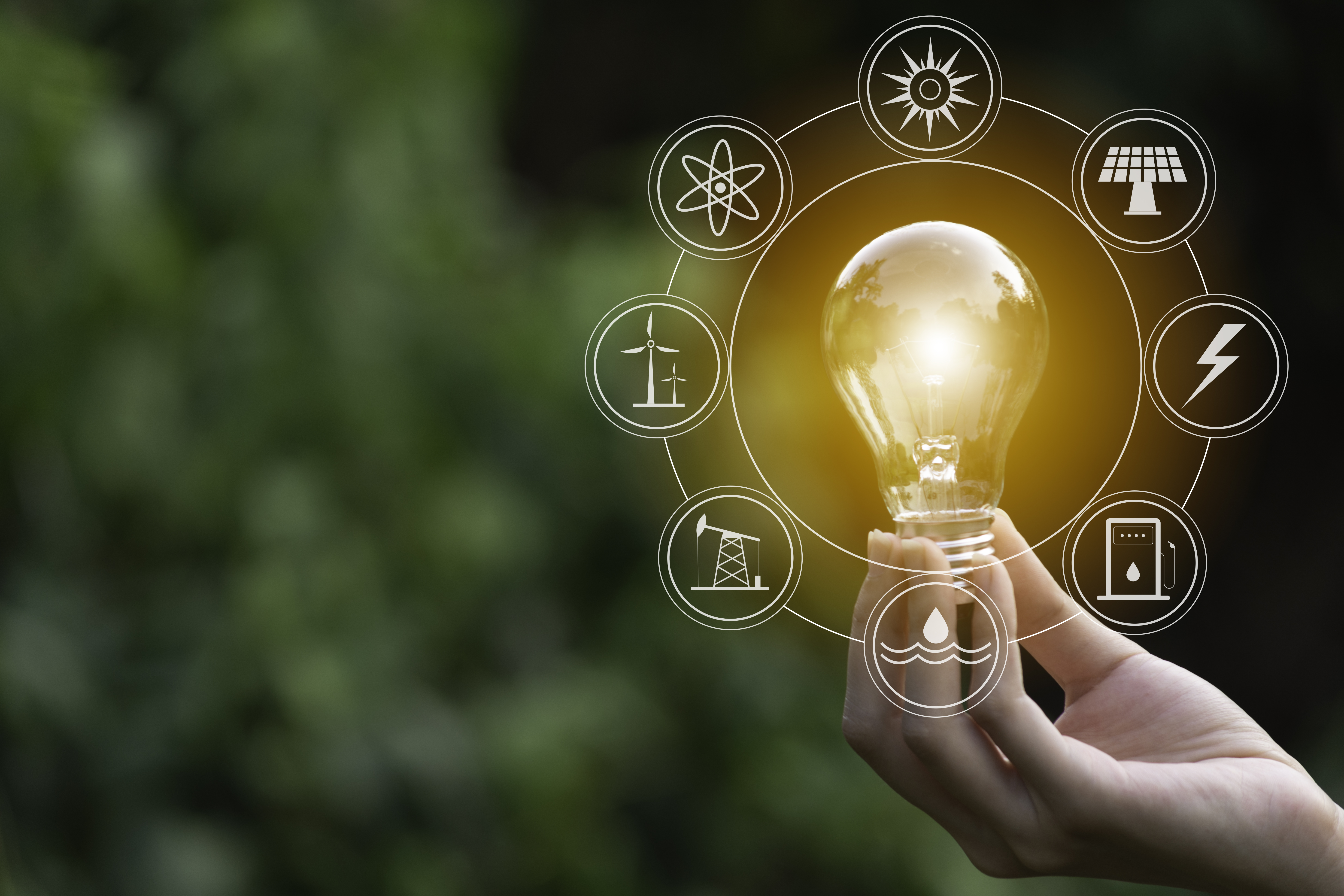
Energy harvesting involves capturing and converting energy from the environment into electrical power. This process enables devices to operate autonomously without relying on conventional power sources like batteries. Different technologies are used depending on the energy source: Electromagnetic: Converts electromagnetic radiation into electrical power. Piezoelectric: Generates electricity from mechanical stress, such as vibrations or pressure changes. Triboelectric: Produces electricity through friction between different materials. Applications include powering IoT devices, sensors in remote locations, and wearable electronics, reducing the need for frequent battery replacements

IoT Solutions
IoT solutions refer to systems that integrate IoT devices, software, and networks to enable data collection, analysis, and automation across various industries. These solutions facilitate improved efficiency, real-time insights, and enhanced connectivity. They help organizations optimize processes, reduce costs, and boost productivity by leveraging IoT devices to gather data and perform actions autonomously. Key components include IoT devices, connectivity protocols, cloud infrastructure, and analytics platforms. IoT solutions are pivotal in enabling smart cities, industrial automation, healthcare monitoring, and more

Transportation and Automotive
The transportation and automotive industry demands high levels of precision, reliability, and efficiency in every component and process. Advanced engineering solutions play a critical role in manufacturing vehicle parts, assembly systems, and testing equipment. From powertrain components and braking systems to chassis, steering, and electric vehicle assemblies, automation and precision technologies ensure consistent quality, reduced production time, and enhanced safety. These solutions support high-volume manufacturing, improve operational efficiency, and meet stringent industry standards, enabling manufacturers to innovate while maintaining performance, durability, and cost-effectiveness.