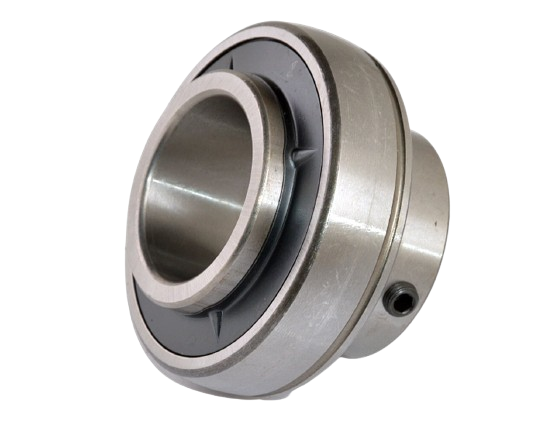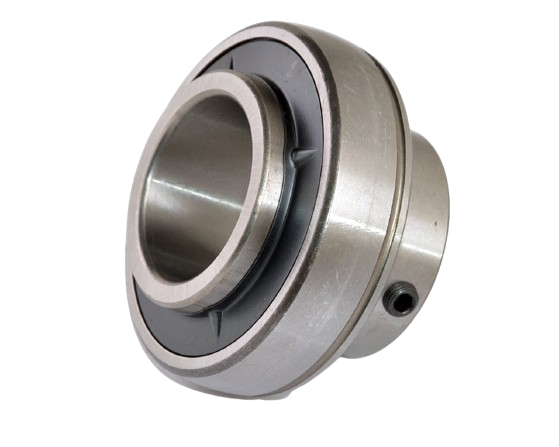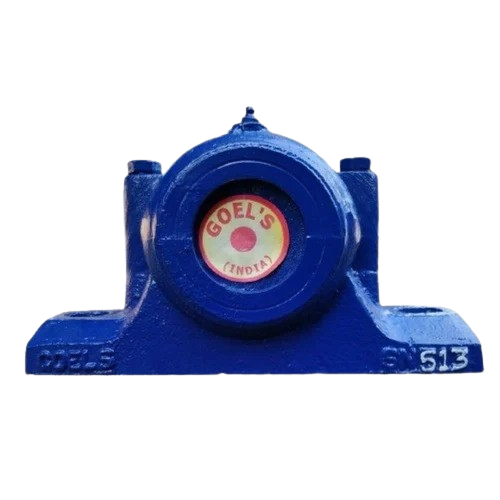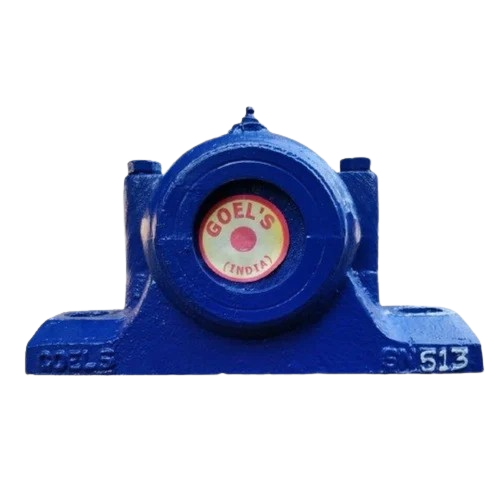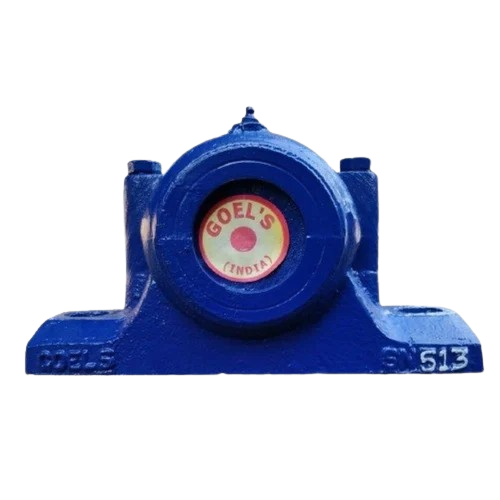
Ball bearing housing
| Manufacturer | HFB |
| Product Code | OWI 40 |
| Product HSN Code | 84821010 |
| Shipping | Shipped in 6-8 weeks |
| Stock Availability | Available On Demand |
PRODUCT DESCRIPTION / OVERVIEW
Advantage of the Ball bearing housing:
- Ball bearing housings provide secure and stable support for ball bearings, ensuring smooth and reliable shaft rotation in machinery.
- Designed to accommodate various sizes and types of ball bearings, offering flexibility for different applications.
- Durable construction using high-quality materials ensures long service life and resistance to wear, impact, and heavy loads.
- Integrated lubrication features reduce maintenance requirements and help extend bearing and housing lifespan.
- Capable of supporting both radial and axial loads, providing stable and consistent performance under varying operating conditions.
- Easy installation and replacement reduce downtime and simplify assembly in industrial equipment.
- Compact and rigid design ensures precise alignment of bearings, minimizing vibration and ensuring smooth, quiet operation.
ABOUT THE PRODUCT
| Country of Origin: | Germany | ||||||||
| Industry the product belogs to: |
| ||||||||
| Application of the product: | Automation and Control | ||||||||
| Supplier location: | Navi Mumbai |
PRODUCT SPECIFICATIONS
| Unit Type: | Housed Bearing Unit |
| Bearing Model: | SA 208 |
| Shaft Diameter: | 40 mm |
| Housing Material: | Cast Iron |
| Seal Type: | Contact Seal |
| Make: | HFB |
FAQs
A ball bearing is a type of rolling-element bearing that uses balls to reduce friction and support radial and axial loads.
Ball bearings are used in automotive, industrial machinery, electric motors, conveyors, and various rotating equipment.
They provide low friction, high speed capability, long service life, and reduced maintenance in rotating machinery.
Selection depends on load type, speed, shaft size, and operating environment. Manufacturer specifications should be consulted.
Regular lubrication, cleaning, and inspection for wear or damage help maintain optimal performance and long life.