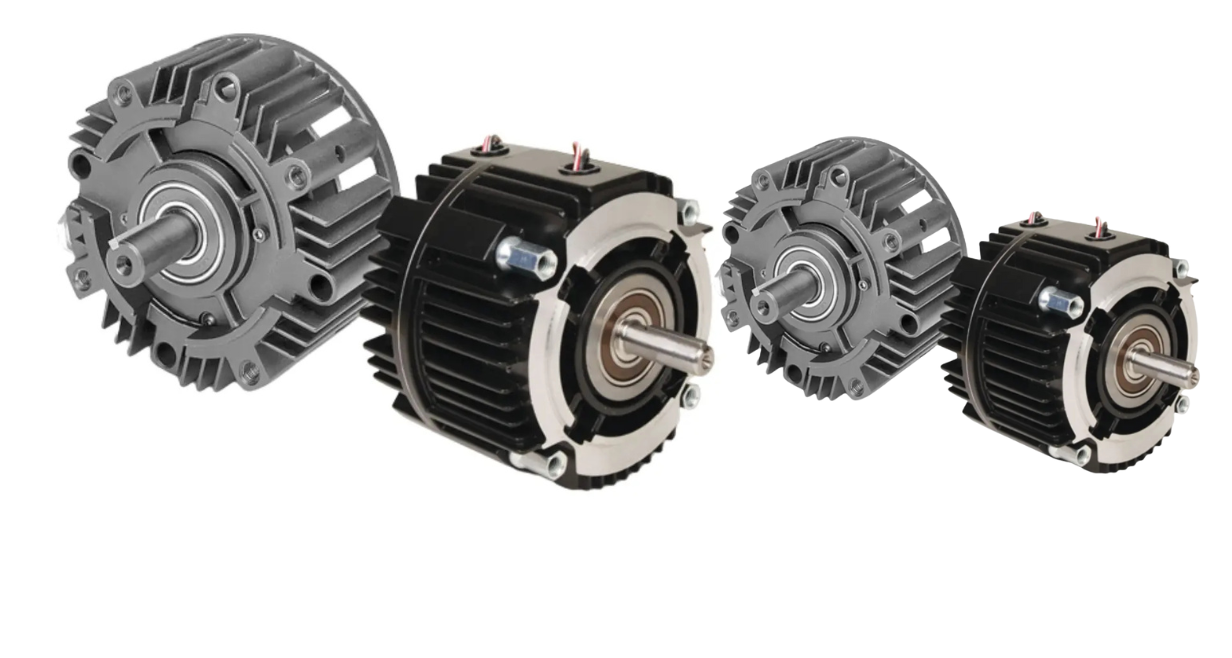
Warner Electric Clutch Brakes — Smooth Transitions for Industrial Machinery
Estimated Read Time: 6–8 minutes
Introduction
Smooth transitions between operational modes are critical for productivity and safety in industrial machinery. Warner Electric Clutch Brakes ensure controlled engagement and disengagement, preserving operating consistency, improving efficiency, and extending machinery life.
Challenges of Machine Transitions
Sudden starts and stops cause downtime, wear, and safety risks. Abrupt transitions affect workflow, increase maintenance costs, and endanger operators. Controlled transitions are essential for safe and efficient operations.
Role of Clutch Brakes in Transition Optimization
Warner Electric Clutch Brakes bridge mechanics and control, enabling smooth machine transitions:
• Controlled Engagement and Disengagement: Electromagnetic force allows gradual motion synchronization.
• Minimizing Shocks and Vibrations: Absorbs energy, reducing mechanical stress and ensuring stability.
Advantages of Warner Electric Clutch Brakes
• Smooth and Precise Transitions: Reduces interruptions and maintains production rhythm.
• Reduced Wear and Tear: Prolongs component life and lowers maintenance costs.
• Enhanced Safety for Workers: Eliminates unexpected jolts.
• Improved Overall Machinery Performance: Optimizes efficiency, output, and productivity.
How Warner Electric Clutch Brakes Work
Electromagnetic Engagement: Electric current in the coil creates a magnetic field that engages the armature and rotor gradually.
Disengagement: Cutting the current removes the magnetic field, allowing smooth deceleration.
[Insert a labelled diagram of rotor, armature, coil, and electromagnetic process here]
Applications and Case Studies
• Assembly Lines: Synchronized start-up and shutdown, preventing jolts and spillage.
• Printing Press: Reduces paper waste, ensures print quality, lowers downtime.
• Elevators: Smooth transitions, increases passenger comfort, reduces component wear.
Worker Safety
Warner Electric Clutch Brakes minimize risks from sudden movements, creating a safer workplace and enhancing operator confidence.
Factors to Consider for Implementation
• Torque Requirements: Match clutch brake torque to machinery needs.
• Mounting Options: Foot-mounted, flange-mounted, or shaft-mounted for proper integration.
• Compatibility: Ensure compatibility with mechanical and electrical systems.
• Engagement Speed: Balance between quick response and smooth motion.
• Control Mechanism: Manual, pneumatic, or electric options.
Steps to Successful Integration
1. Assessment and Planning
2. Component Inspection and Preparation
3. Determine Mounting Position
4. Mounting and Alignment
5. Electrical Integration
6. Adjustment and Calibration
7. Test Runs and Observations
8. Operator Training
9. Continuous Monitoring and Maintenance
Future of Seamless Transitions
• Advancements in Technology: Microsecond engagement/disengagement for invisible transitions.
• Smart Integration: Sensors and automation optimize transitions in real time.
• Customization and Flexibility: Adaptable to varied torque, speed, and environmental conditions.
• Human-Machine Collaboration: AI and predictive technology enhance safety and precision.
Conclusion
Warner Electric Clutch Brakes provide smooth, safe, and efficient machine transitions, combining mechanics and technology to optimize performance and ensure operator safety in modern industrial operations.
Reference Link: Global Leader in Electromagnetic Clutches and Brakes | Warner Electric
Note: This content combines AI-generated insights with expertise from industry professionals.