Ball Bearings for Linear Motion Systems — Fundamentals, Types & Applications
Estimated Read Time: 6–8 minutes
Introduction
Ball bearings are essential mechanical components that enable smooth and efficient motion by reducing friction between moving parts. In linear motion systems, they play a critical role in ensuring accuracy, repeatability, and long service life. Their widespread use across manufacturing, automotive, aerospace, and robotics highlights their importance in modern engineering applications.
Definition of Ball Bearings
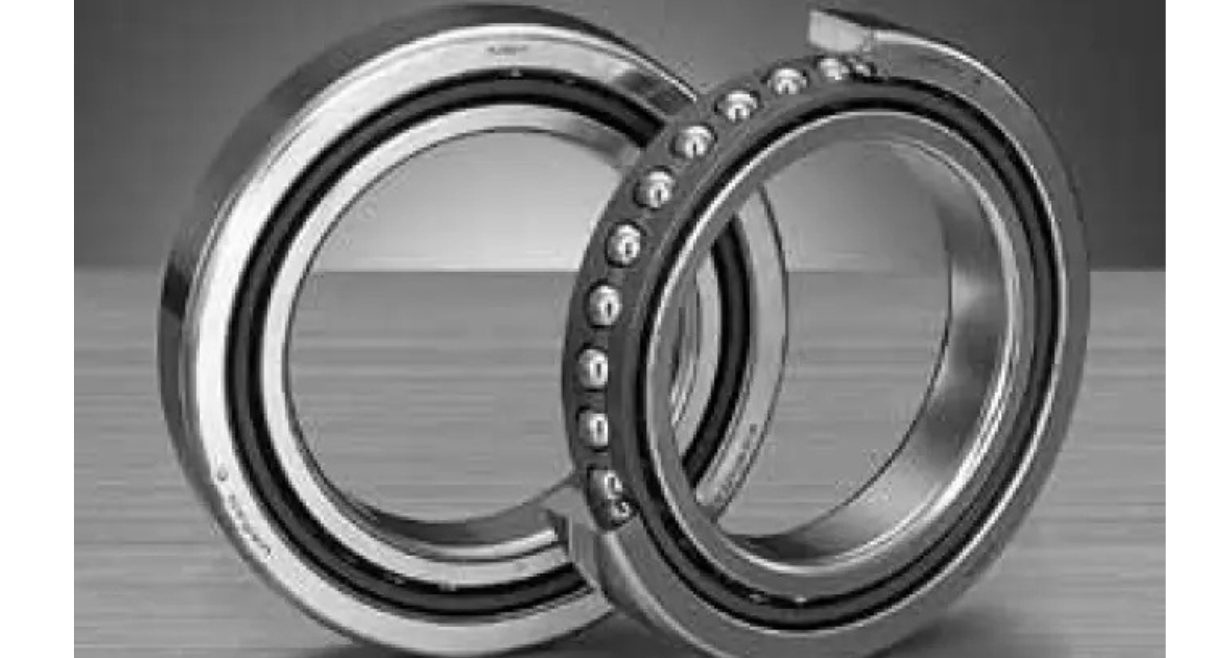
Ball bearings are precision-engineered components consisting of an inner ring, an outer ring, spherical rolling elements (balls), and a cage or separator. The rolling motion of the balls between raceways converts sliding friction into rolling friction, enabling smooth motion with minimal resistance.
Basics of Ball Bearings
A typical ball bearing includes an outer ring that remains stationary, an inner ring mounted on a shaft, rolling balls that carry loads, and a cage that maintains uniform spacing and lubrication distribution. This structure ensures smooth motion and effective load handling in linear and rotational systems.
Types of Ball Bearings
Deep groove ball bearings are the most commonly used type due to their versatility and ability to carry radial and moderate axial loads. Angular contact ball bearings are designed to handle combined radial and axial loads and are frequently used in high-precision applications such as machine tool spindles. Thrust ball bearings are optimized for axial load applications and are commonly found in transmissions and rotary tables.
Working Principle
Ball bearings operate by allowing rolling contact between balls and raceways, significantly reducing friction and wear. Loads are evenly distributed across the rolling elements, enabling smooth, precise, and repeatable linear motion. Proper lubrication and accurate geometry are essential to maximize performance and service life.
Applications in Linear Motion Systems
Ball bearings are widely used in industrial machinery such as conveyors, actuators, and precision positioning systems. In robotics, they enable smooth joint movement and accurate linear guidance. Automotive systems rely on them for steering, suspension, and transmission components, while aerospace applications include flight controls and landing gear mechanisms.
Advantages of Ball Bearings
Key benefits of ball bearings include reduced friction, improved energy efficiency, high load capacity, precise motion control, low noise levels, and long operational life. Their availability in a wide range of sizes and configurations makes them adaptable to diverse engineering requirements.
Leading Ball Bearing Manufacturers
Prominent manufacturers include SKF India, National Engineering Industries (NEI), NRB Bearings, ABC Bearings Limited, and global leaders such as NSK, NTN, and Timken. These companies are known for innovation, reliability, and extensive product portfolios serving industrial and automotive markets.
Conclusion
Ball bearings form the backbone of efficient linear motion systems. Their ability to minimize friction, distribute loads evenly, and deliver precise motion makes them indispensable across industries. Selecting the appropriate bearing type, material, and lubrication strategy is key to achieving optimal performance and long-term reliability.
Need help choosing the right ball bearing for your linear motion application? Contact us for expert technical guidance and tailored solutions.