Ball Screws in High-Precision Motion Control: Applications & Advantages
Estimated Read Time: 7–9 minutes
Introduction
Ball screws are critical components in high-precision motion control systems. They convert rotational motion into linear motion with superior accuracy, efficiency, and reliability, making them essential in advanced industrial and automation applications.
This article explores how ball screws work, their advantages, and their wide range of applications across precision-driven industries.
Definition of Ball Screws
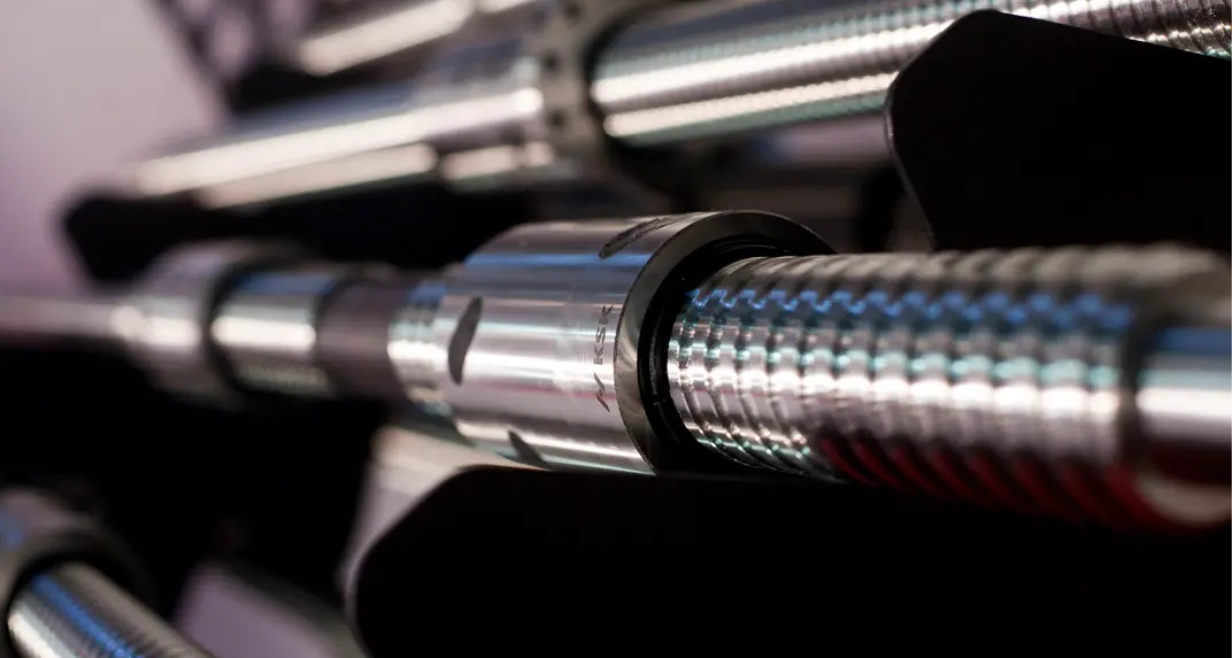
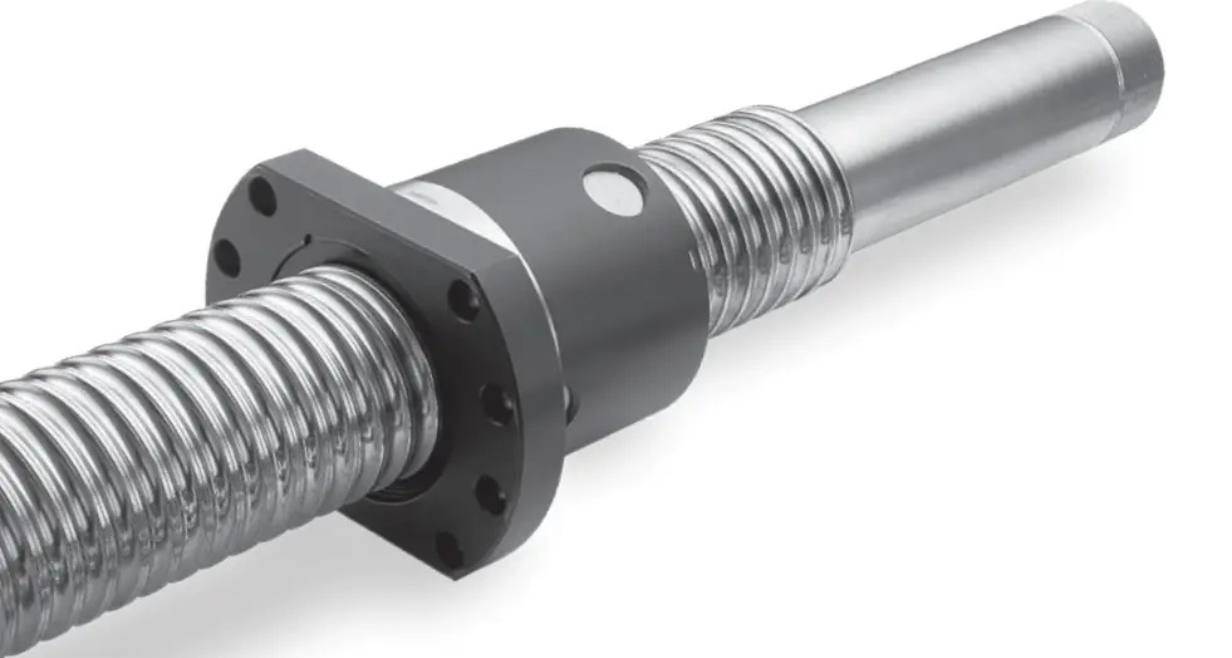
Ball screws are mechanical components consisting of a threaded shaft and a nut with recirculating ball bearings. These balls reduce friction between the screw and nut, enabling smooth, precise, and efficient linear motion.
Importance of High-Precision Motion Control
High-precision motion control is essential in industries such as aerospace, medical equipment, semiconductor manufacturing, and advanced automation, where accuracy, repeatability, and synchronized motion directly impact performance and safety.
How Ball Screws Work
Ball screws consist of a screw, a nut, and recirculating ball bearings positioned between matching helical grooves. As the screw rotates, the balls roll smoothly along the grooves, causing the nut to move linearly along the shaft.
This rolling contact significantly reduces friction, resulting in high efficiency, minimal backlash, and precise p