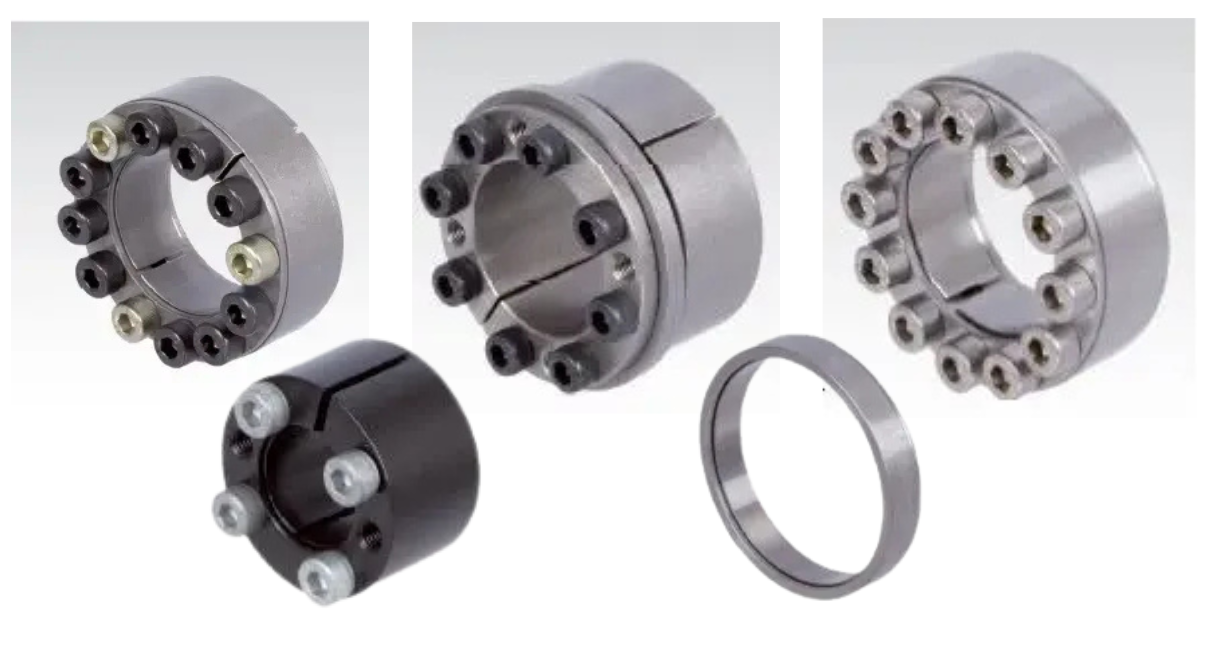
Locking Assemblies (Powerlocks) vs Traditional Keyways
Estimated Read Time: 6–7 minutes
Introduction
Connecting two shafts in a power transmission system requires high reliability and precision. Traditionally, keyways have been used for this purpose; however, they come with limitations such as fretting corrosion, misalignment, and frequent maintenance. Locking assemblies, also known as powerlocks, have emerged as a superior alternative by providing a secure, backlash-free, and wear-resistant shaft–hub connection.
This article explains how locking assemblies can effectively replace traditional keyways while improving performance and reliability.
Definition of Powerlocks / Locking Assemblies
Locking assemblies or powerlocks are mechanical devices used to connect shafts and hubs in power transmission applications. They utilize tapered rings that clamp the shaft and hub together when tightened, creating a rigid, precisely aligned, and torque-resistant connection without the need for keyways.
Overview of Traditional Keyways
Traditional keyways use a metal key inserted into slots machined on the shaft and hub to transmit torque. While widely used, this method often leads to stress concentration, fretting corrosion, backlash, and reduced component life.
How Do Powerlocks Work?
Locking assemblies operate using tapered rings positioned between the shaft and hub. When tightening screws are applied, radial pressure is generated, clamping the components together and ensuring high torque transmission without backlash.
Advantages Over Traditional Keyways
- Higher torque transmission capability
- Backlash-free and vibration-resistant connection
- Easy installation and removal
- Improved shaft–hub alignment
- No fretting corrosion
- Reduced maintenance and downtime
Applications of Locking Assemblies / Powerlocks
- Power transmission systems – pumps, motors, generators
- Mining equipment – crushers and conveyors
- Food & beverage processing machinery
- Marine propulsion systems
- Agricultural machinery
- Construction equipment
- Wind turbines – gearbox to rotor hub connection
- Industrial automation and general machinery
Conclusion
Locking assemblies provide a durable, precise, and maintenance-free alternative to traditional keyways. With higher torque capacity and improved reliability, they are increasingly becoming the preferred solution in modern power transmission systems.
Interested in selecting the right powerlock for your application? Contact us today for expert assistance.